Clash of the Styles Luxury Fashion vs. Fast Fashion - Weighing the Pros and Cons
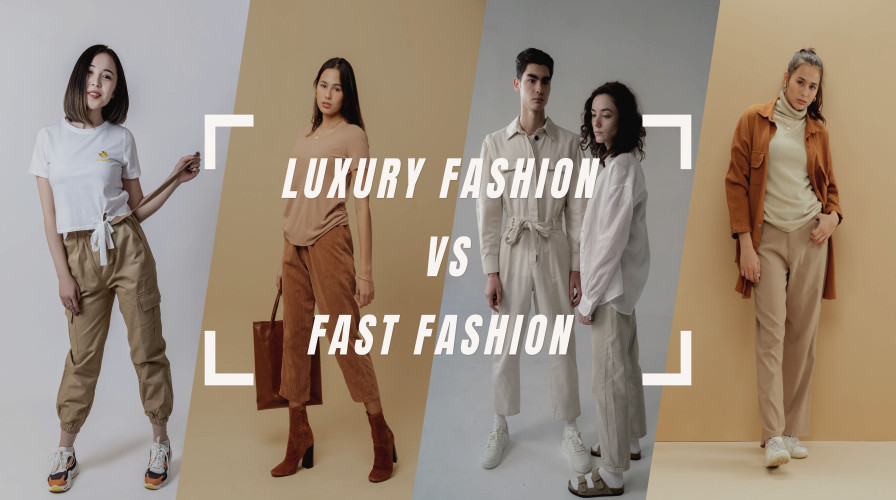
The fashion industry is a dynamic and diverse landscape, with luxury fashion and fast fashion standing at opposite ends of the spectrum. Both have their unique appeal and distinct drawbacks, making it essential for consumers to understand what each offers before deciding where to invest their money. Here’s an in-depth look at the pros and cons of luxury fashion and fast fashion.
Luxury Fashion: The Pinnacle of Craftsmanship
Pros:
Quality and Craftsmanship
Luxury fashion is synonymous with exceptional quality and craftsmanship. High-end brands use the finest materials and meticulous techniques to create their garments, ensuring durability and a superior finish. Each piece is often handmade or involves significant artisanal skill, resulting in unique and exquisite items.
Exclusivity and Prestige
Owning luxury fashion items is often associated with a sense of exclusivity and prestige. Limited production runs and exclusive collections mean that these pieces are not widely available, adding to their allure and desirability. This exclusivity can make luxury fashion a status symbol for many.
Sustainable Practices
Many luxury brands prioritize sustainability, focusing on ethical production methods and sourcing eco-friendly materials. By investing in high-quality, timeless pieces, consumers can reduce their environmental footprint, as these items are designed to last for years, if not decades.
Investment Value
Certain luxury fashion pieces can appreciate in value over time, especially iconic items from well-known designers. Vintage and rare pieces often become collectible, offering potential investment returns that go beyond mere aesthetic pleasure.
Cons:
High Cost
The most significant drawback of luxury fashion is its high cost. The exceptional quality and craftsmanship come at a premium price, making it inaccessible to many consumers. This exclusivity can create a barrier for those who admire the style but cannot afford the price tag.
Limited Trends
Luxury fashion tends to focus on timeless designs rather than rapidly changing trends. While this ensures longevity, it may not appeal to those who enjoy frequently updating their wardrobe with the latest styles.
Fast Fashion: The Democratization of Style
Pros:
Affordability
Fast fashion is known for its affordability, making it accessible to a wide range of consumers. Brands like Zara, H&M, and Forever 21 offer trendy clothing at a fraction of the cost of luxury brands, allowing fashion enthusiasts to experiment with new styles without breaking the bank.
Trend Responsiveness
Fast fashion brands are highly responsive to current trends, quickly producing and distributing new styles inspired by runway shows, celebrities, and social media. This rapid turnaround means consumers can stay fashionable and up-to-date with minimal delay.
Variety and Choice
The fast fashion industry offers an extensive variety of styles, catering to different tastes and preferences. With new collections released frequently, consumers have a plethora of options to choose from, ensuring there’s something for everyone.
Cons:
Environmental Impact
Fast fashion’s biggest downside is its significant environmental impact. The industry is known for its high levels of waste, pollution, and resource consumption. Rapid production cycles lead to a disposable culture, where clothes are often worn only a few times before being discarded.
Ethical Concerns
The affordability of fast fashion often comes at the expense of ethical labor practices. Many fast fashion brands have been criticized for poor working conditions, low wages, and exploitation of workers in developing countries. This raises serious ethical concerns about the true cost of cheap clothing.
Lower Quality
Fast fashion garments are typically of lower quality compared to luxury items. The use of cheaper materials and mass-production techniques can result in clothing that wears out quickly, leading to more frequent purchases and contributing to a cycle of overconsumption.
Conclusion
Both luxury fashion and fast fashion have their unique advantages and drawbacks. Luxury fashion offers unparalleled quality, exclusivity, and sustainability but comes with a high price tag. Fast fashion provides affordability, trendiness, and variety but raises concerns about environmental impact and ethical practices.
As consumers become more aware of the implications of their choices, the fashion industry is also evolving. Many fast fashion brands are starting to adopt more sustainable practices, while luxury brands are becoming more accessible through diffusion lines and collaborations. Ultimately, the choice between luxury and fast fashion depends on individual values, budget, and lifestyle, but understanding the pros and cons can help make more informed and conscious decisions.
Related Tag :